Hidden UNESCO World Heritage Sites in India Most Travelers Still Miss
Discover hidden UNESCO World Heritage Sites in India beyond the usual tourist trail, from ancient temples to archaeological wonders.
India is home to 43 UNESCO World Heritage Sites, making it one of the countries with the highest number of recognized cultural and natural landmarks in the world. While iconic attractions such as the Taj Mahal, Jaipur, and Hampi often dominate travel itineraries, several equally remarkable UNESCO sites remain overlooked by mainstream travelers. These lesser known destinations offer a deeper understanding of India's history, architecture, and cultural diversity while allowing visitors to explore without the crowds.
For travelers seeking experiences beyond the usual tourist circuit, these hidden UNESCO treasures reveal fascinating stories of ancient civilizations, artistic brilliance, and natural heritage that deserve far more attention.
Champaner Pavagadh Archaeological Park, Gujarat
Located in Gujarat, Champaner Pavagadh Archaeological Park is one of India's most fascinating yet least visited UNESCO sites. The site contains a remarkable mix of Hindu and Islamic architecture dating back to the 8th and 16th centuries.
Spread across a large area at the foothills of Pavagadh Hill, visitors can explore ancient mosques, palaces, fortifications, stepwells, and temples. The Jama Masjid, known for its intricate stone carvings and elegant design, is often regarded as one of the finest examples of pre Mughal architecture in India.
The combination of archaeology, history, and natural scenery makes Champaner an ideal destination for travelers interested in heritage exploration beyond conventional tourist attractions.
The Great Living Chola Temples, Tamil Nadu
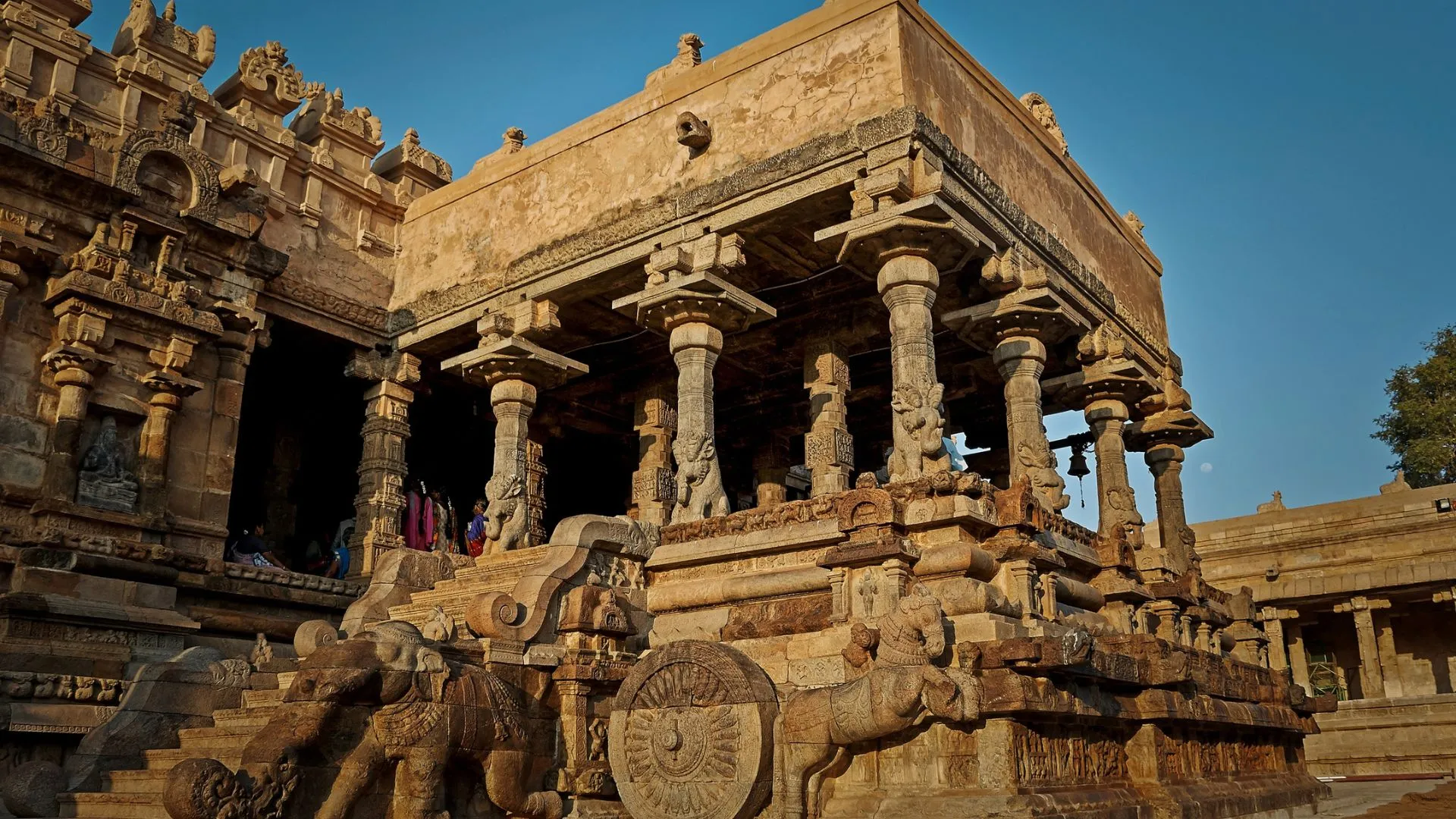
While South India is known for its magnificent temples, the Great Living Chola Temples remain surprisingly underexplored compared to more famous pilgrimage destinations. This UNESCO group includes the Brihadisvara Temple in Thanjavur, the Brihadisvara Temple in Gangaikonda Cholapuram, and the Airavatesvara Temple in Darasuram.
Built during the Chola dynasty between the 11th and 12th centuries, these temples represent some of the finest achievements in Dravidian architecture. Their intricate carvings, towering vimanas, and exceptional stone craftsmanship continue to impress historians and travelers alike.
Beyond their architectural significance, these temples remain active places of worship, offering visitors a unique blend of living heritage and historical grandeur.
Rani Ki Vav, Gujarat
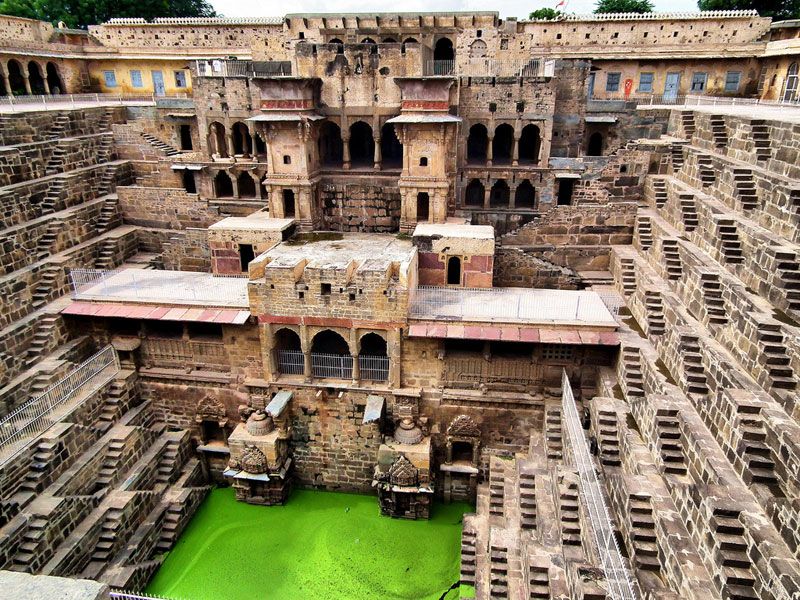
Often described as one of India's most beautiful stepwells, Rani Ki Vav in Patan is an extraordinary example of subterranean architecture. Constructed in the 11th century by Queen Udayamati in memory of King Bhimdev I, the structure was designed both as a water management system and a monumental work of art.
The stepwell descends several levels underground and features hundreds of intricate sculptures depicting deities, mythological figures, and decorative motifs. The level of craftsmanship displayed throughout the monument is exceptional and reflects the artistic excellence of the Solanki dynasty.
For travelers seeking lesser known cultural experiences, Rani Ki Vav offers an unforgettable glimpse into India's engineering ingenuity and artistic heritage.
Bhimbetka Rock Shelters, Madhya Pradesh
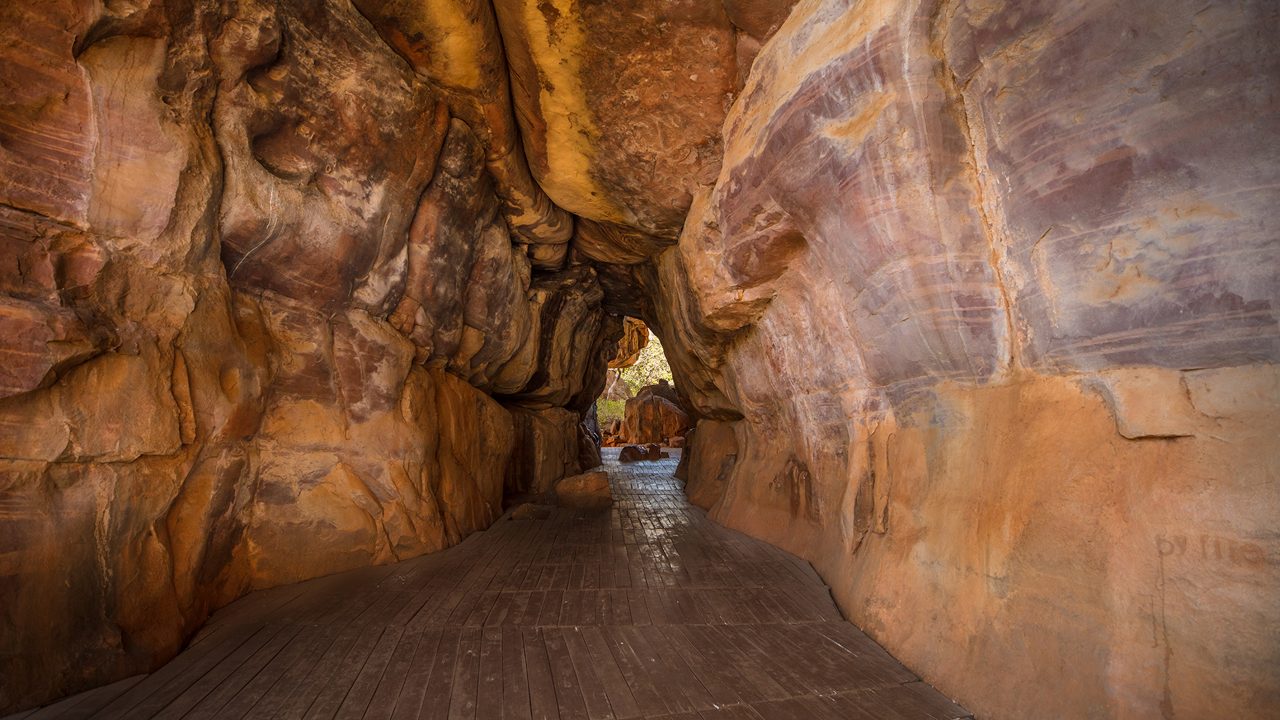
Long before the rise of kingdoms and empires, humans inhabited the region now known as Bhimbetka. Located near Bhopal, the Bhimbetka Rock Shelters contain some of the oldest known traces of human life on the Indian subcontinent.
The site features hundreds of natural rock shelters adorned with prehistoric paintings that depict hunting scenes, animals, dances, and daily life. Some of these artworks are believed to date back thousands of years, providing valuable insights into early human societies.
Bhimbetka stands apart from many heritage sites because it tells the story of human evolution and artistic expression over an incredibly long period of time.
Khangchendzonga National Park, Sikkim
When discussing UNESCO sites, many travelers immediately think of monuments and architecture. However, India's natural heritage is equally remarkable. Khangchendzonga National Park in Sikkim is India's first mixed UNESCO World Heritage Site, recognized for both its natural and cultural significance.
The park encompasses glaciers, alpine meadows, forests, and the towering Mount Kanchenjunga, the third highest mountain in the world. It is also deeply connected to local spiritual traditions and indigenous beliefs.
Visitors may encounter rare wildlife such as the snow leopard, red panda, and Himalayan tahr while experiencing some of the country's most breathtaking mountain landscapes. The park represents a perfect balance between nature, culture, and conservation.
Chhatrapati Shivaji Maharaj Terminus, Mumbai
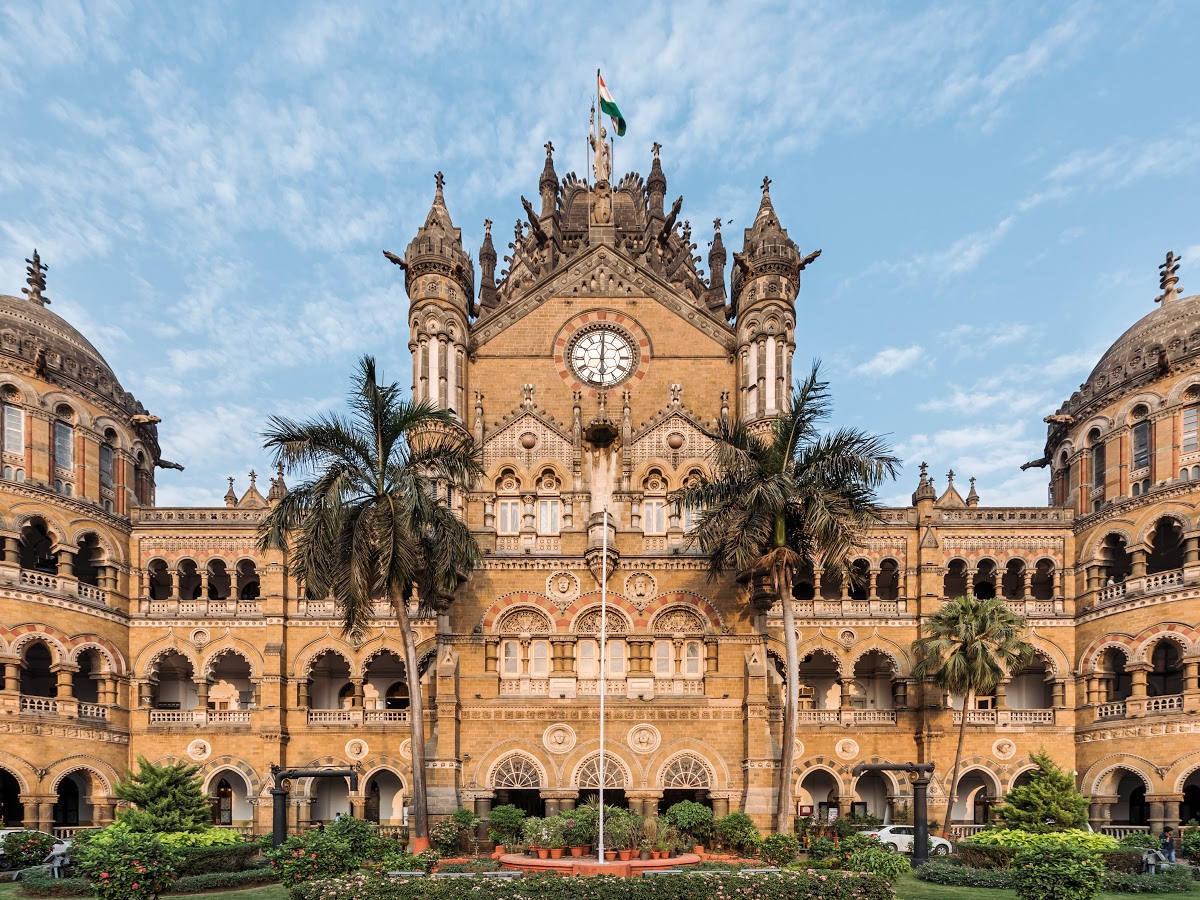
Millions of people pass through Mumbai's historic railway station every year, yet many are unaware that it is a UNESCO World Heritage Site. The Chhatrapati Shivaji Maharaj Terminus, completed in 1887, is a masterpiece of Victorian Gothic Revival architecture blended with traditional Indian influences.
Designed by British architect Frederick William Stevens, the station features stained glass windows, decorative stone carvings, domes, turrets, and intricate ironwork. It remains one of the finest examples of colonial era architecture in Asia.
Its continued role as a functioning transportation hub makes it a remarkable example of living heritage in modern India.
Why These Sites Deserve More Attention
Many travelers naturally gravitate toward India's most famous landmarks, but lesser known UNESCO sites often provide richer and more immersive experiences. They allow visitors to engage more closely with local culture, avoid large crowds, and uncover stories that are often overlooked in mainstream tourism.
Whether it is exploring ancient temples, walking through archaeological ruins, studying prehistoric art, or discovering natural wonders, these destinations offer meaningful travel experiences rooted in authentic history and cultural depth.
Final Thoughts
India's UNESCO World Heritage Sites extend far beyond the destinations that typically appear on travel postcards. Hidden gems such as Rani Ki Vav, Bhimbetka, Champaner Pavagadh, and Khangchendzonga National Park showcase the extraordinary diversity of the country's cultural and natural heritage.
For travelers looking to move beyond the usual tourist trail, these remarkable destinations offer opportunities to discover India's lesser known stories, architectural achievements, and landscapes. With ACMA, exploring these hidden UNESCO treasures becomes a journey filled with history, culture, and unforgettable experiences.


