Japan Beyond Tokyo and Kyoto
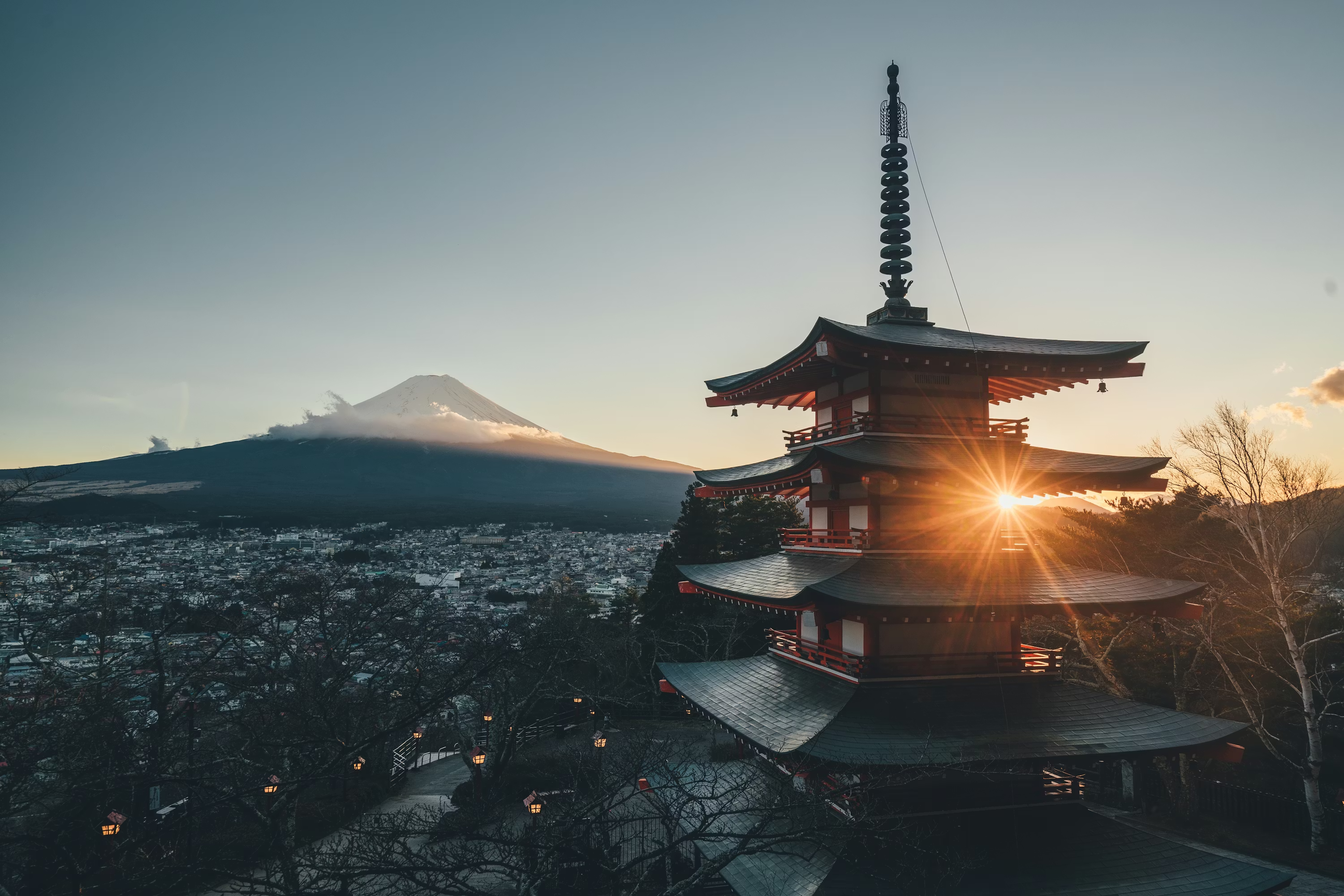
Explore Japan beyond Tokyo and Kyoto by visiting cities like Kanazawa, Hiroshima, Fukuoka, and Takayama for unique culture, history, and local experiences.
When most travelers think of Japan, Tokyo and Kyoto often come to mind first. Tokyo dazzles with skyscrapers, neon lights, and nonstop energy, while Kyoto offers temples, shrines, and classical gardens. Yet Japan’s character unfolds more deeply beyond these two cities. From historic ports and mountain towns to regional capitals, lesser explored destinations reveal how Japan balances modern life with tradition, and urban energy with nature.
Exploring beyond the usual routes allows travelers to experience a quieter, more intimate Japan, shaped by local culture, craftsmanship, and regional identity.
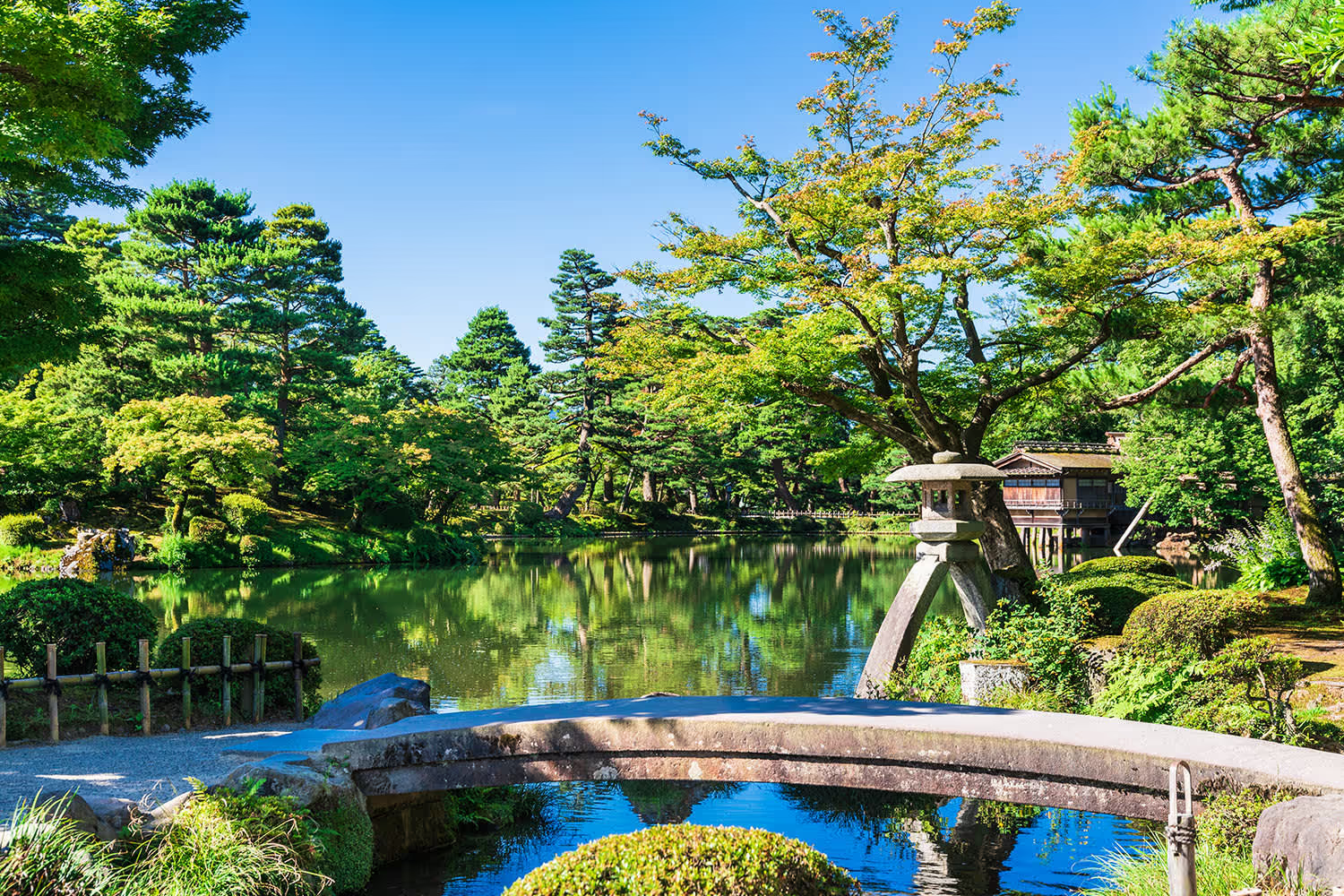
Kanazawa: Art, Gardens, and Samurai Heritage
Located on the Sea of Japan coast, Kanazawa preserves history with remarkable care. Often compared to Kyoto but far less crowded, the city offers a refined cultural experience.
Key highlights include:
- Well preserved samurai districts and tea houses
- Kenrokuen Garden, considered one of Japan’s most beautiful landscape gardens
- A strong tradition of crafts such as gold leaf work, Kutani porcelain, and Kaga embroidery
Kanazawa also balances heritage with modern creativity through institutions like the 21st Century Museum of Contemporary Art. The city’s slower pace makes it ideal for travelers seeking cultural depth without the rush of major tourist hubs.
Hiroshima: History, Resilience, and Peace
Hiroshima stands as a powerful symbol of remembrance and renewal. While its World War II history is central to the city’s identity, Hiroshima today is equally defined by resilience and optimism.
What defines Hiroshima:
- Peace Memorial Park and Atomic Bomb Dome, dedicated to reflection and reconciliation
- A vibrant city life with markets, cafes, and riverside walks
- Local cuisine such as Hiroshima style okonomiyaki
Nearby Miyajima Island, known for its floating torii gate and free roaming deer, adds natural beauty and spiritual calm. Hiroshima offers a meaningful travel experience that blends history, culture, and everyday life.
Fukuoka: Gateway to Kyushu
As the largest city on Kyushu island, Fukuoka is known for its friendly atmosphere and accessible urban lifestyle. It serves as an excellent base for exploring southern Japan.
Travelers are drawn to:
- The famous Yatai street food stalls serving ramen and grilled seafood
- A mix of modern architecture and historic temples
- Easy access to beaches, hot springs, and mountain regions
Fukuoka feels lively yet manageable, offering city comforts without the scale or intensity of Tokyo.
Takayama: Mountain Traditions and Festivals
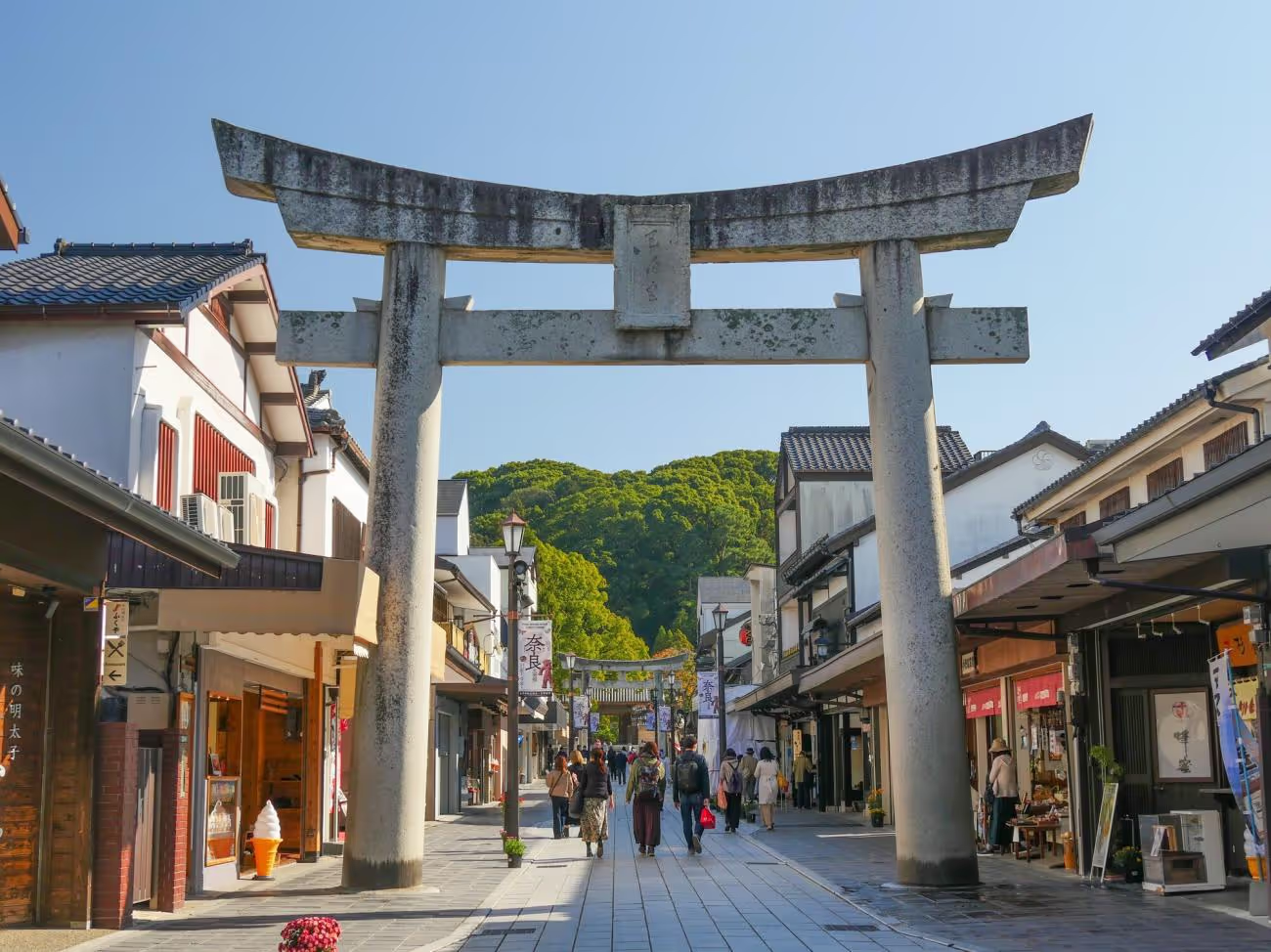
Set in the Japanese Alps, Takayama offers a glimpse into traditional rural Japan. Its historic streets are lined with wooden merchant houses, sake breweries, and local markets.
Takayama is known for:
- A beautifully preserved old town
- Seasonal spring and autumn festivals featuring ornate floats
- Proximity to Shirakawa-go, famous for gassho-zukuri farmhouses designed for heavy snowfall
This region is ideal for travelers seeking nature, tradition, and seasonal beauty in a slower setting.
Nara: A Quieter Historic Capital
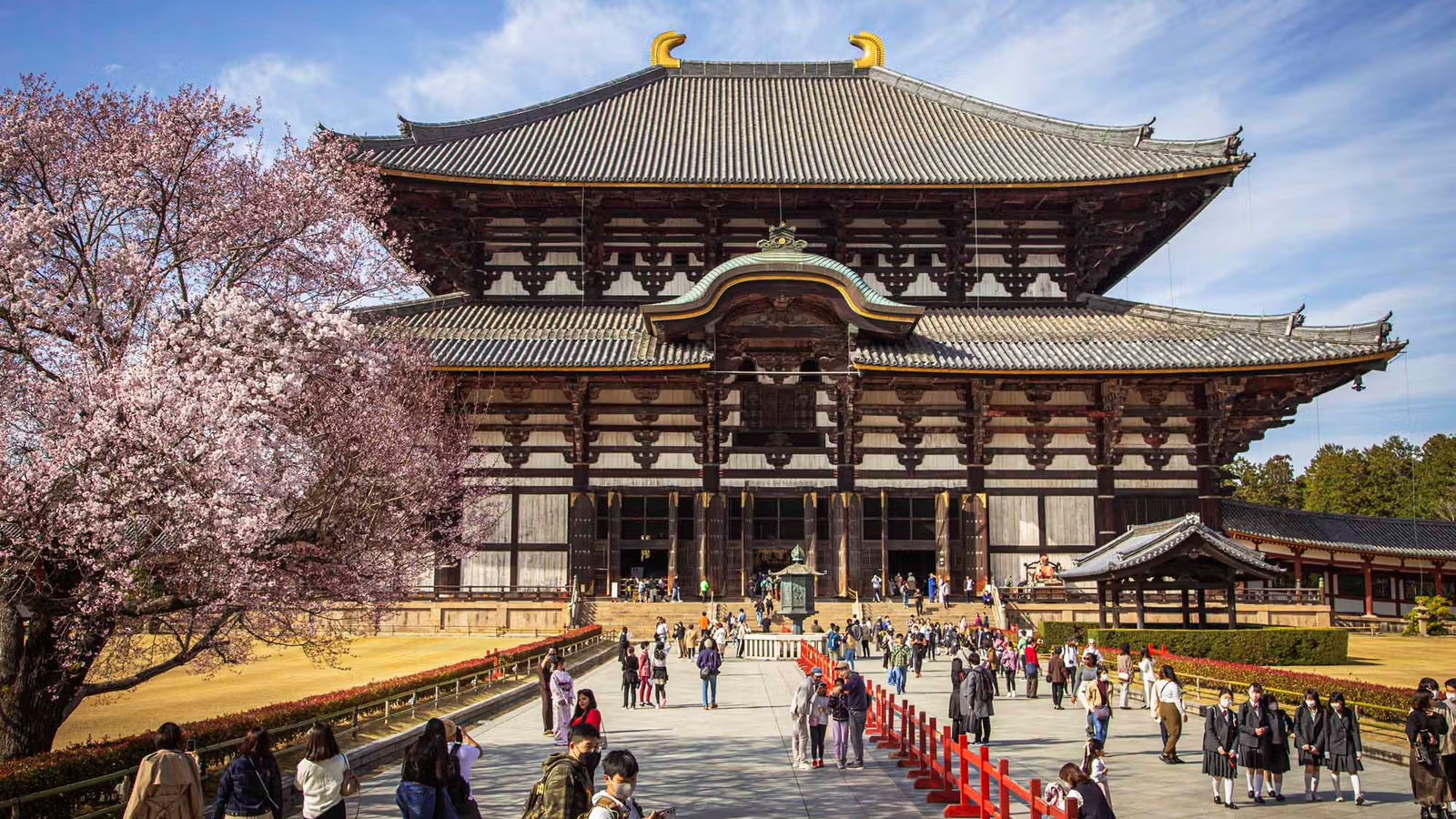
Often overshadowed by Kyoto, Nara offers an equally rich but more peaceful historical experience. As Japan’s first permanent capital, it is home to some of the country’s oldest temples.
Highlights include:
- Todai-ji Temple and its giant Buddha statue
- Nara Park, where deer roam freely
- Traditional gardens and cultural spaces that encourage slow exploration
Nara is perfect for travelers who want to experience ancient Japan without heavy crowds.
Other Cities Worth Exploring
Japan’s diversity continues across other regions:
- Kamakura, combining coastal scenery with historic temples
- Kobe, known for its international influences and waterfront culture
- Matsumoto, home to a striking black castle set against alpine scenery
Each destination adds a unique layer to understanding Japan beyond its most famous cities.
Final Thought
Japan beyond Tokyo and Kyoto reveals a country of regional character, local traditions, and quieter beauty. From cultural cities and mountain towns to coastal hubs and historic capitals, these destinations offer more personal and immersive experiences. With ACMA, planning a journey across Japan becomes effortless, helping travelers discover hidden cities and meaningful experiences that show the country in its fullest form.


