Ultimate Guide to Rajasthan’s Majestic Forts
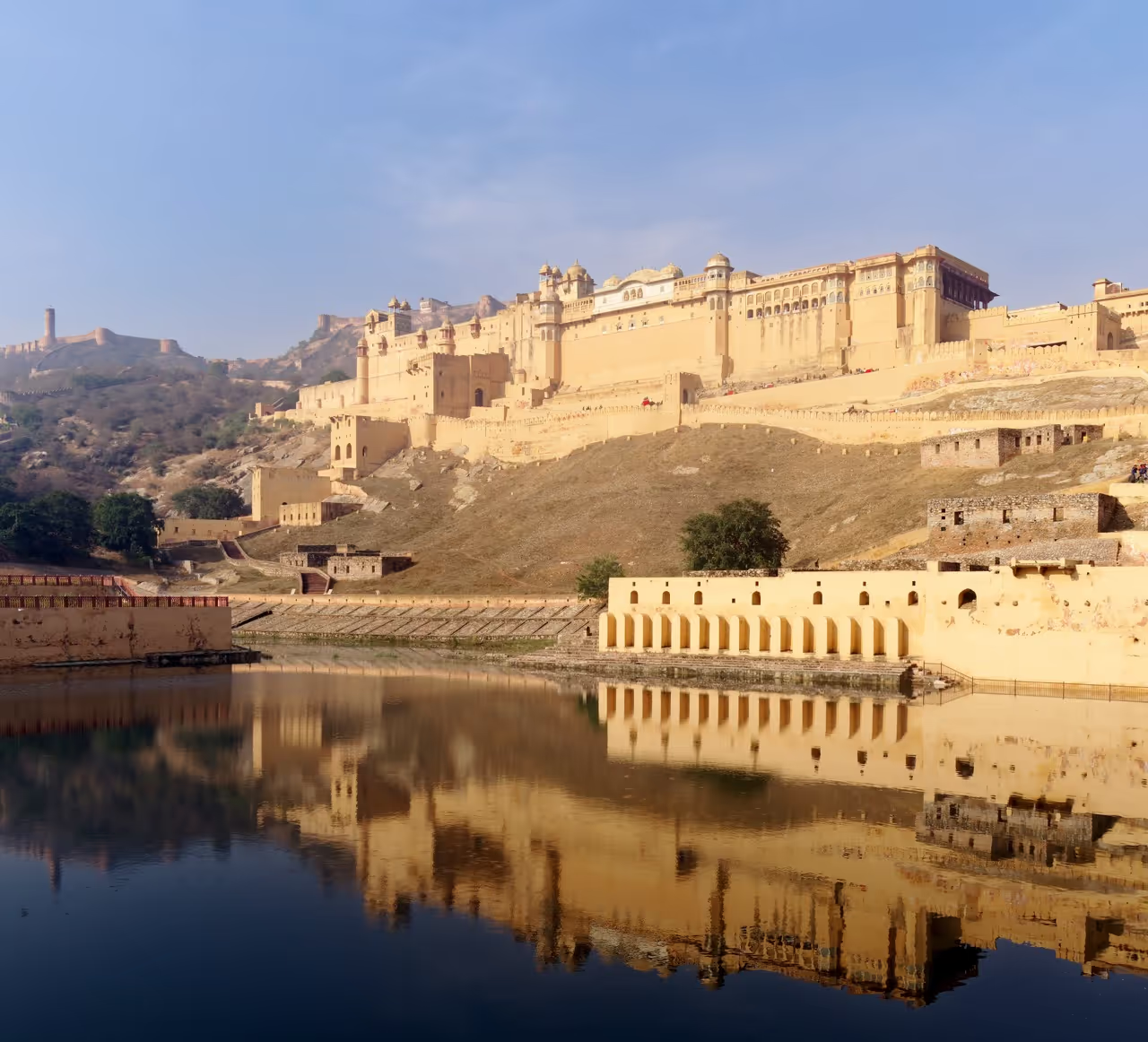
Explore Rajasthan’s majestic forts, from Amber to Mehrangarh, and uncover history, architecture, and royal tales that define India’s desert heritage.
Rajasthan, the land of kings, deserts, and vibrant culture, is synonymous with grandeur and history. At the heart of its identity lies in its forts—monumental structures that tell stories of valor, art, and royal life. From hilltop citadels to desert palaces, Rajasthan’s forts are living museums that combine architecture, culture, and scenic beauty. Whether you are a history enthusiast, a photography lover, or a traveler seeking inspiration, exploring these forts is an unforgettable journey through India’s royal past.
1.Amber Fort: The Gateway to Royalty
Located just outside Jaipur, Amber Fort is an exquisite blend of Hindu and Mughal architecture. Built on a hill overlooking Maota Lake, it served as the capital of the Kachwaha rulers before Jaipur was established. Visitors are enchanted by the sprawling courtyards, ornate palaces, and intricate mirror work of the Sheesh Mahal. Elephant rides to the fort, traditional music performances, and panoramic views of the Aravalli hills make Amber Fort an immersive introduction to Rajasthan’s regal history.
2. Mehrangarh Fort: The Stronghold of Jodhpur
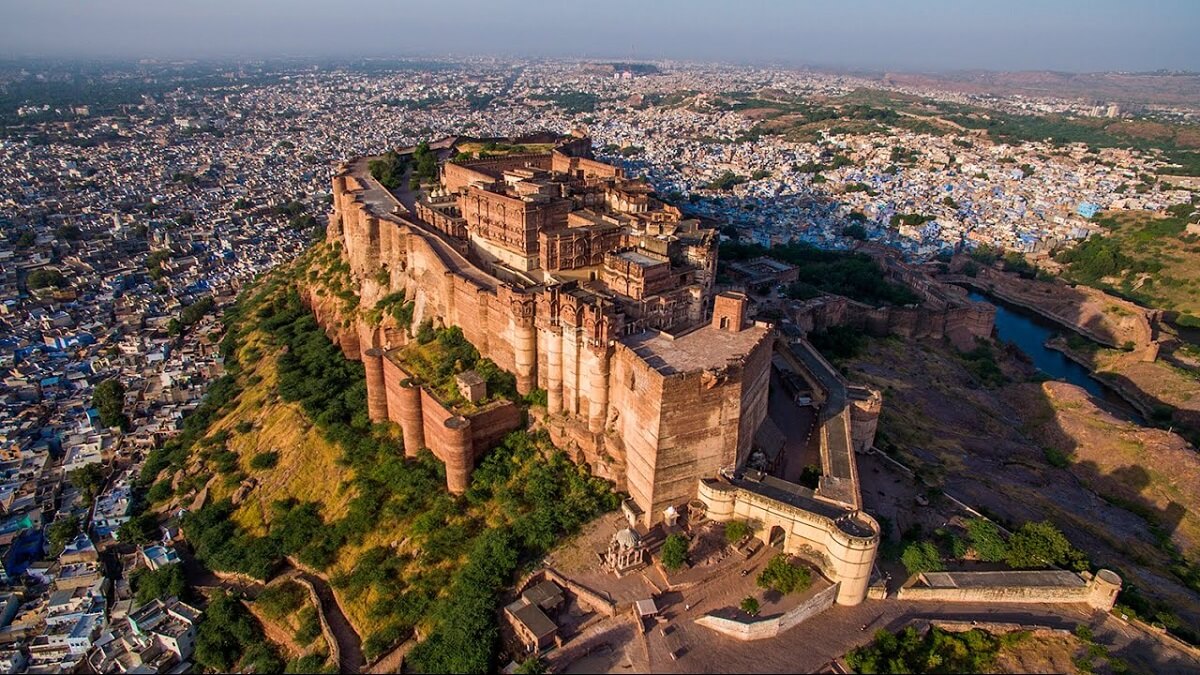
Dominating the skyline of Jodhpur, Mehrangarh Fort is one of India’s largest and most impressive forts. Perched on a rocky hill, it was built in the 15th century and embodies the spirit of Marwar’s warriors. The fort houses palaces adorned with carved balconies, expansive courtyards, and museums showcasing royal artifacts, textiles, and weaponry. The view of Jodhpur’s blue city from the ramparts is breathtaking, offering a perspective that perfectly captures the fort’s strategic and cultural significance.
3. Chittorgarh Fort: Epic Tales of Valor
Chittorgarh Fort, the largest fort in India, stands as a symbol of bravery and sacrifice. Associated with tales of Rajput heroism, it sprawls across a hilltop and contains palaces, temples, and towers that have witnessed centuries of battles and royal intrigue. The fort’s Vijay Stambh, a towering victory monument, and Kirti Stambh, dedicated to Jain heritage, highlight the region’s architectural diversity. Visiting Chittorgarh is like stepping into history, where every wall echoes the courage of past generations.
4. Kumbhalgarh Fort: The Fortress of Hills
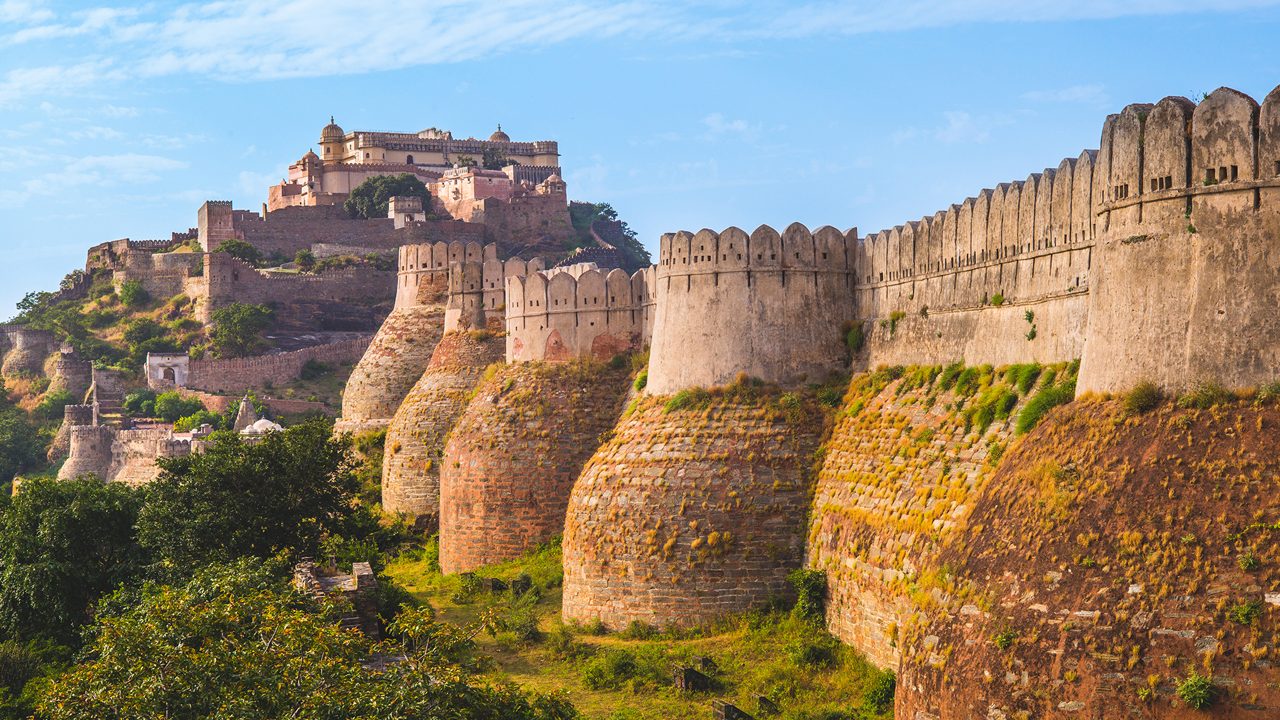
Nestled in the Aravalli hills, Kumbhalgarh Fort is renowned for its massive defensive walls, stretching over 36 kilometers, making it one of the longest in the world. Built in the 15th century, the fort served as a refuge for the rulers of Mewar during times of conflict. Its strategic design, majestic gates, and numerous temples within the complex demonstrate a blend of military engineering and spiritual significance. The fort’s elevated position offers sweeping views of the surrounding hills, making it a perfect spot for photography and exploration.
5. Jaigarh Fort: Guardians of Gold
Perched above Amber Fort, Jaigarh Fort is often called the “Fort of Victory” and is famous for housing India’s largest cannon on wheels, Jaivana. Built to protect the Amber Fort and its treasures, it combines military architecture with panoramic views of the surrounding Aravalli range. Visitors can explore underground tunnels, watchtowers, and armories, providing insight into the defense strategies of Rajasthan’s rulers. Jaigarh Fort offers a quieter, less crowded experience while maintaining the grandeur of royal heritage.
6. Junagarh Fort: The Living Fort of Bikaner
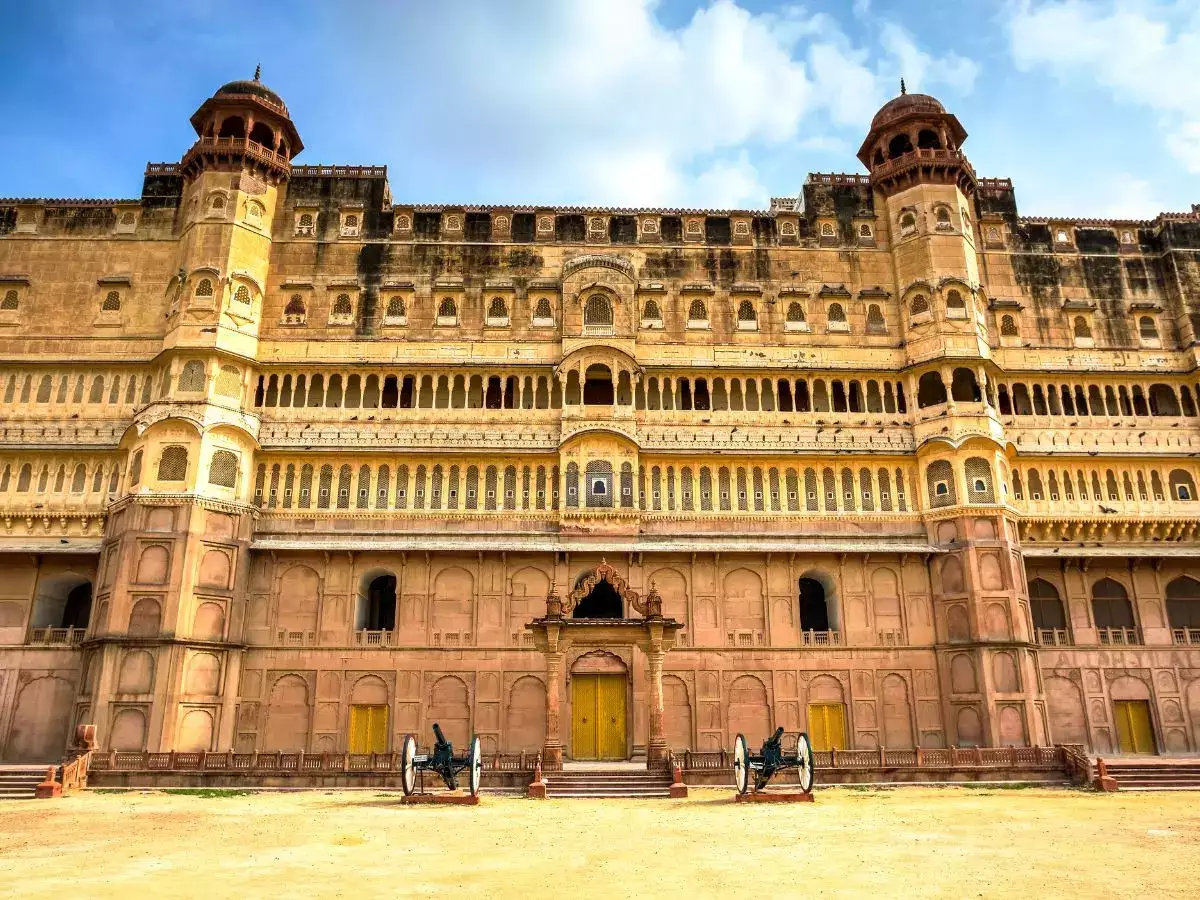
Unlike many hilltop forts, Junagarh Fort in Bikaner sits on flat ground yet impresses with its massive walls and elaborate palaces. Built in the late 16th century, it houses temples, courtyards, and private royal quarters filled with intricate carvings, frescoes, and museum exhibits. The fort reflects the artistic tastes of the Rathore rulers and their patronage of local craftsmanship. Its architecture and interior decoration make Junagarh a perfect blend of aesthetic elegance and historical significance.
7. Cultural Insights and Traveler Tips
Rajasthan’s forts are more than just architectural marvels; they are cultural hubs that reflect the region’s martial history, art, and traditions. Many forts host sound-and-light shows, cultural performances, and local craft exhibitions, giving travelers a sense of living history. Photography enthusiasts will find endless opportunities to capture intricate carvings, sunset silhouettes, and panoramic city views.
When planning a visit, consider the time of day and season, as Rajasthan’s summers can be extremely hot. Early mornings or late afternoons are ideal for sightseeing and photography. Guided tours enhance the experience, providing context about the forts’ construction, battles, and royal life. Many forts also feature nearby accommodations and heritage hotels, allowing travelers to extend their stay and immerse themselves in royal ambiance.
Final Thought
Rajasthan’s forts are timeless symbols of courage, architecture, and culture. From Amber and Jaigarh in Jaipur to Mehrangarh in Jodhpur, Chittorgarh’s epic walls, Kumbhalgarh’s hilltop expanse, and Junagarh’s flatland majesty, each fort tells its own story. Exploring these forts is a journey through India’s rich royal past, offering insights into history, design, and the lives of rulers who shaped the region. With ACMA, planning your Rajasthan fort tour becomes effortless, helping you explore these majestic landmarks, hidden gems, and local experiences with ease and insight.


