Why the Northeast Feels Different From The Rest of India
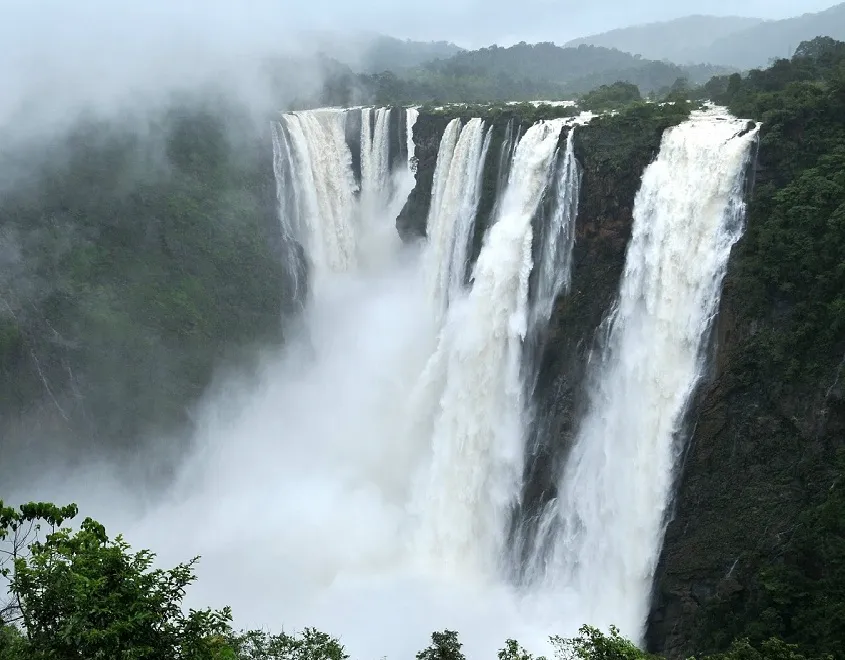
Discover why Northeast India feels different through its landscapes, tribes, festivals, cuisine, and culture for an unforgettable travel experience.
Northeast India is unlike any other part of the country. Bordered by Bhutan, China, Myanmar, and Bangladesh, this eight-state region captivates travelers with its landscapes, vibrant tribes, lush forests, and unique festivals. From Nagaland’s rolling hills to Assam’s mighty Brahmaputra and Meghalaya’s living root bridges, the Northeast offers experiences that feel distinct from the rest of India. Geography, history, culture, and ecology combine to give this region its unique identity, making every visit memorable and immersive.
Geography and Natural Diversity
The North East’s geography is strikingly different from much of India. Hills, mountains, valleys, dense forests, rivers, and waterfalls dominate the landscape. Arunachal Pradesh’s Himalayan foothills offer snow-topped peaks, deep valleys, and alpine meadows. Meghalaya’s high rainfall creates rivers, caves, and the famous living root bridges. Assam’s Brahmaputra Valley supports fertile plains, tea gardens, wetlands, and rich biodiversity.
This terrain shapes daily life and travel. Villages are often perched on slopes or riverbanks, requiring winding roads, river crossings, and mountain passes to reach. The region’s ecology supports orchids, clouded leopards, and rare bird species, making it a haven for nature and wildlife enthusiasts.
Cultural and Ethnic Diversity
The Northeast is home to hundreds of tribes, each with its own language, customs, attire, music, and traditions. States like Nagaland, Mizoram, and Arunachal Pradesh preserve rich tribal heritage where festivals, dances, and rituals remain integral to community life.
Nagaland’s Hornbill festival brings multiple Naga tribes together, celebrating heritage through dance, music, and sports. Manipur’s Ras Lila blends spirituality and history, while Meghalaya’s Wangala marks the harvest with drum rhythms and traditional attire. Unlike other regions where one dominant culture prevails, the Northeast is a mosaic of identities, making its cultural experience layered and deeply rooted.
Languages and Communication
Languages in the Northeast reflect its diversity. While Hindi and English are used officially, indigenous languages dominate local life. Assamese, Bodo, Mising, and Karbi are widely spoken, and Nagaland alone has Ao, Angami, and Sema languages. Meghalaya features Khasi and Garo, while Arunachal Pradesh boasts one of India’s highest language diversities. This linguistic variety adds texture and depth, distinguishing the region from areas dominated by Indo-Aryan or Dravidian languages.
History and Influence
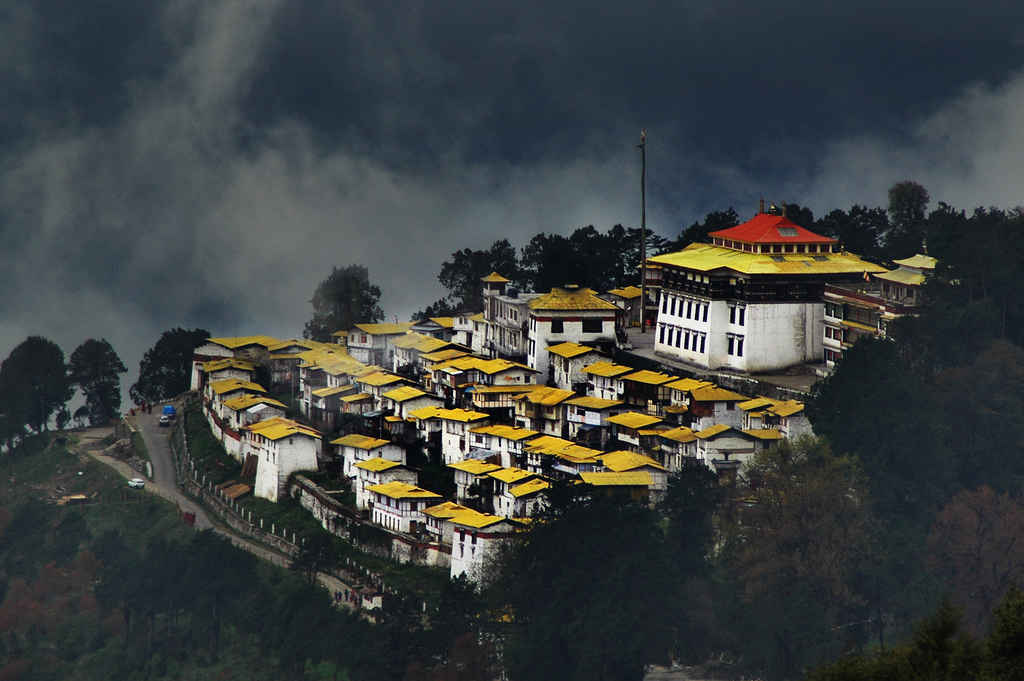
Historically, the Northeast was connected to South Asia and Southeast Asia through trade routes, influencing local art, religion, and customs. Buddhist and animist traditions coexist alongside indigenous beliefs. Assam’s Ahom kingdom ruled for centuries, shaping politics, culture, and agriculture.
Colonial history introduced tea cultivation and resource extraction while keeping the region relatively distinct from mainstream political currents. Post-independence, local autonomy, tribal rights, and cultural preservation have continued to shape the region’s identity, giving it a sense of uniqueness within India.
Festivals, Music, and Rhythm of Life
Festivals are deeply communal and connected to agriculture, mythology, and clans. Music and dance play a central role, with drums, bamboo instruments, and traditional costumes adding vibrancy. Daily life often follows seasonal routines, linking planting, harvesting, and celebrations to the natural calendar. This connection to land and nature creates a rhythm distinct from India’s urban regions.
Food and Culinary Traditions
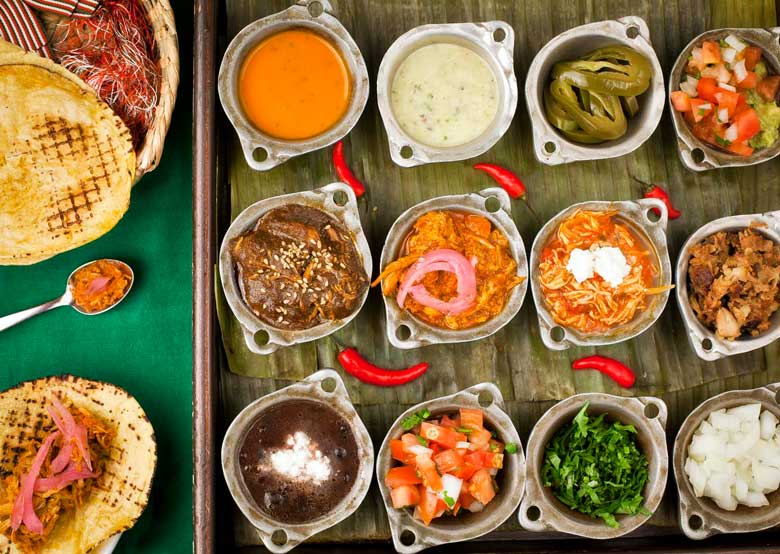
Northeastern cuisine is distinct, focusing on freshness, fermentation, and local ingredients. Assam features rice, freshwater fish, and greens, with dishes like Khar and Tenga. Nagaland and Manipur favor smoked meats, bamboo shoots, and fermented foods. Mizoram and Meghalaya use local herbs and leafy greens to preserve natural flavors.
Tea is central in Assam, with expansive tea gardens producing world-renowned varieties. Across the Northeast, meals are tied to local produce and ancestral techniques, creating a culinary experience unlike other regions of India.
Travel and Connectivity
Traveling in the Northeast is an adventure. Winding roads, rivers, and mountains make journeys feel like part of the experience. While cities and towns are connected by rail and air, scenic destinations often require careful planning. Exploring tribal lands, panoramic viewpoints, and untouched trails enhances the sense of discovery and sets the region apart.
Final Thought
The Northeast feels different because it is a tapestry of landscapes, cultures, languages, and histories that defy a single narrative. From Nagaland’s hills to Assam’s rivers, Arunachal’s tribes, and Meghalaya’s forests, each corner has its own voice. With ACMA, discovering the Northeast becomes effortless, helping travelers explore its hidden valleys, vibrant cultures, and unforgettable experiences with ease and insight.


